

Understanding the psychological triggers behind gambling addiction
The Allure of Gambling
The allure of gambling lies in its promise of excitement and the potential for quick rewards. Many individuals are drawn to the thrill of the game, which can stimulate the brain's reward pathways, releasing dopamine and creating feelings of pleasure. This biochemical response is often linked to feelings of excitement and euphoria, making it easy for gamblers to become enamored with the experience. For those looking to enhance their experience, engaging in vegas casino online real money games can further elevate the excitement. The anticipation of winning, no matter how improbable, can create a compelling emotional high that keeps players returning for more.
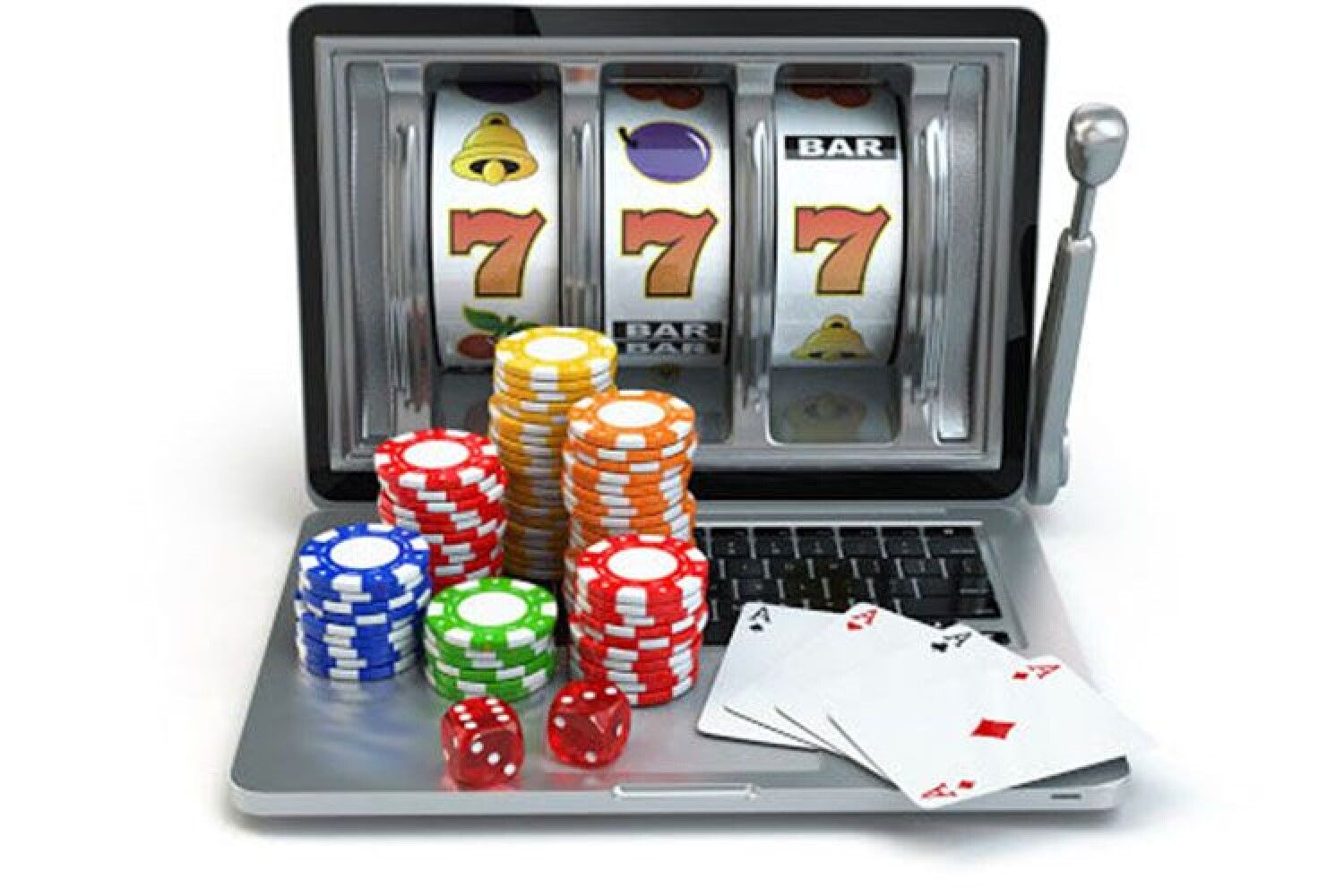
Furthermore, the social aspect of gambling cannot be overlooked. Many people engage in gambling activities with friends or family, which can foster a sense of community. This social reinforcement can amplify the addictive nature of gambling, as individuals may feel a sense of belonging and shared excitement. The combination of potential financial gain and social interaction makes gambling particularly enticing, especially in environments designed to encourage participation.
The Role of Cognitive Biases
Cognitive biases play a significant role in gambling addiction, often skewing an individual's perception of risk and reward. One common bias is the illusion of control, where gamblers believe they can influence the outcome of games of chance. This misguided belief can lead to reckless betting and an inability to recognize the inherent randomness of many gambling activities. Such cognitive distortions can create a cycle of continued play, as individuals mistakenly believe they are "due" for a win.
Another prevalent cognitive bias is the gambler's fallacy, which leads individuals to assume that past outcomes influence future results. For example, a gambler who loses several times may believe that a win is imminent, prompting them to continue betting in hopes of reversing their luck. These biases create a distorted reality that can trap individuals in a cycle of compulsive gambling, reinforcing their addiction and making it challenging to break free.
Emotional and Psychological Factors
The psychological triggers behind gambling addiction often intertwine with underlying emotional issues. Many individuals gamble as a coping mechanism to deal with stress, anxiety, or depression. The immediate gratification and distraction provided by gambling can offer a temporary escape from reality, reinforcing the behavior over time. Unfortunately, this reliance on gambling for emotional relief can lead to worsening mental health conditions and increased financial strain.
Moreover, feelings of shame and guilt often accompany gambling addiction. Individuals may struggle with the consequences of their actions, leading to further emotional distress. This cycle can create a compounding effect, where the need to escape these negative feelings drives the individual back to gambling. Understanding these emotional triggers is crucial for developing effective treatment strategies and interventions aimed at breaking the addiction cycle.
The Impact of Environmental Factors
The environment plays a critical role in the development and maintenance of gambling addiction. Availability and accessibility of gambling venues, both online and offline, can significantly influence gambling behavior. Individuals living in areas with numerous casinos or online gambling platforms may find themselves exposed to frequent temptations, making it harder to resist. Marketing strategies that glamorize gambling can also contribute to its allure, enticing individuals to participate in gaming activities.
Additionally, cultural attitudes towards gambling can impact individual behaviors. In cultures where gambling is widely accepted or celebrated, individuals may feel less social stigma associated with gambling. This environment can normalize the behavior, making it more likely for individuals to engage in it without considering the potential consequences. Addressing these environmental factors is essential for fostering healthier attitudes toward gambling and reducing the rates of addiction.

Guidance and Resources for Responsible Gambling
Understanding the psychological triggers behind gambling addiction is the first step towards addressing this complex issue. For individuals struggling with gambling addiction, seeking help is crucial. Various resources are available, including support groups and counseling services that focus on cognitive-behavioral strategies to break the cycle of addiction. These services aim to provide individuals with the tools to manage their impulses and develop healthier coping mechanisms.
At our platform, we emphasize the importance of responsible gambling. We provide insights and guidance for navigating the world of gambling, focusing on safety, informed choices, and understanding one’s limits. By empowering individuals with knowledge, we aim to create a safer gaming environment where the thrills of gambling can be enjoyed without falling prey to addiction. Your well-being is our priority as we navigate the exciting yet challenging landscape of gambling together.