

Forex Trading vs Stock Trading What You Need to Know 1957769250
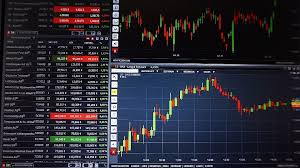
Forex Trading vs Stock Trading: Which One is Right for You?
In the world of investing, two of the most popular avenues are trading forex vs stocks Trading PH forex trading and stock trading. Both markets present unique opportunities and challenges, and understanding their key differences is crucial for making informed investment decisions.
Understanding Forex Trading
Forex, or foreign exchange, is the process of exchanging one currency for another. The forex market is the largest financial market in the world, with a daily trading volume exceeding $6 trillion. Trading occurs 24 hours a day, five days a week, making it highly accessible for traders across the globe.
The primary aim of forex trading is to profit from fluctuations in currency values. Traders can buy a currency pair (e.g., EUR/USD) when they anticipate that the base currency will strengthen against the quote currency, or sell the pair if they expect the opposite.
Advantages of Forex Trading
- High Liquidity: Due to its massive trading volume, the forex market offers high liquidity, ensuring that traders can enter and exit positions quickly.
- Leverage Options: Forex trading often allows for significant leverage, enabling traders to control larger positions with a smaller amount of capital.
- Market Accessibility: The round-the-clock nature of forex trading allows traders to engage in the market at any time, accommodating different lifestyles and time zones.
Disadvantages of Forex Trading
- High Volatility: The forex market can be highly volatile, with prices changing rapidly within short periods, increasing the risk of losses.
- Complexity: Understanding the factors that influence currency values, such as economic indicators and geopolitical events, can be complex and requires extensive research.
- Lack of Regulation: Compared to stock markets, the forex market is less regulated, which can expose traders to fraudulent brokers.
Understanding Stock Trading
Stock trading involves buying and selling shares of publicly listed companies. This market operates during specific hours and is subject to various regulations enforced by governing bodies such as the SEC in the United States. Stocks represent ownership in a company, and traders can profit from price appreciation as well as dividends.

Advantages of Stock Trading
- Ownership: Buying stocks gives investors partial ownership of companies, allowing them to benefit from corporate growth and profits.
- More Information Available: Stocks are generally more transparent, with extensive information available about company performance and financial health.
- Regulation and Stability: Stock markets are regulated, providing a level of safety for investors in terms of broker integrity and investment security.
Disadvantages of Stock Trading
- Market Hours: Stock trading is limited to defined market hours, which can be inconvenient for traders looking to react to news or market shifts outside those hours.
- Lower Liquidity: Some stocks, especially less popular ones, may have lower trading volumes, making it harder to buy or sell without impacting the price.
- Higher Capital Requirements: Some trading strategies in the stock market can require a higher initial investment compared to forex trading.
Comparative Analysis: Forex vs. Stocks
Liquidity and Market Hours
When comparing liquidity, the forex market comes out on top with its continuous trading cycle. In contrast, stocks only trade during market hours, leading to lower liquidity for certain stocks. Traders who thrive on volatility may prefer forex for its dynamic nature.
Leverage
Forex trading offers a level of leverage that can significantly amplify profits but also increases the risk of large losses. Stock trading, while also having leverage options, is generally considered less aggressive in this regard, appealing to more conservative investors.
Regulatory Environment
Investors often feel more secure in the stock market, thanks to stringent regulations and oversight. The forex market, being less regulated, can have some drawbacks, such as potential scams from unscrupulous brokers. Traders must do their due diligence when choosing a forex broker.
Choosing the Right Market for You
Your choice between forex and stock trading will depend on several personal factors, including your risk tolerance, time commitment, and investment goals. Here are some questions to consider:
- Are you comfortable with high risk and volatility, or do you prefer more stable investments?
- How much time can you commit to researching and monitoring your investments?
- Do you prefer to own a portion of a company, or are you more interested in trading on price fluctuations?
Conclusion
Ultimately, both forex and stock trading offer unique advantages and challenges. Understanding these differences can help you make an informed decision about which market aligns better with your investment strategy and personal goals. Whichever you choose, ensure you are equipped with the right knowledge, tools, and discipline to succeed in your trading endeavors.